The Work of Three Generations in One Port
In Portugal’s Douro, where the history of large merchant houses is inescapable, the Alves de Sousa family is part of a rare group of independent winemakers and growers.
Land for the Alves de Sousa family goes back five generations. Today, the winery is a full-fledged family affair and currently led by the father-son team of Domingos and Tiago Alves de Sousa.
Domingos, a civil engineer by training, returned to the family vineyards in 1987.
Tiago joined in an official capacity in 2002. He paid tribute to his father, Domingos, and grandfather, Edmundo, in crafting a 20-year-old tawny Port that combined wines made by all three men.
If wine tells a story, then this homage Port weaves one family’s legacy with the long, complex tale of the Douro.
Port and Portugal: It’s Complicated
The three-century-plus history of Port is full of the tug and pull between romance and reality. There’s pride, certainly, and awareness that the very people behind its craftsmanship have been the most exploited.
Port comes from one of the oldest protected wine regions in the world. The Marquis de Pombal designated the area within the Douro Valley where Port could be produced in 1756.
By this time, Port had already become a popular tipple in Britain. Shipments of Douro wines started the previous century, filling a void in Britain’s market created by war with France.
The combination of battle and tariffs had cut off British wine drinkers from their beloved claret, England’s name for red wines from Bordeaux.
Vinho Verde, wines from Portugal’s northern coast, were tried first. They failed to slake British taste buds, however.
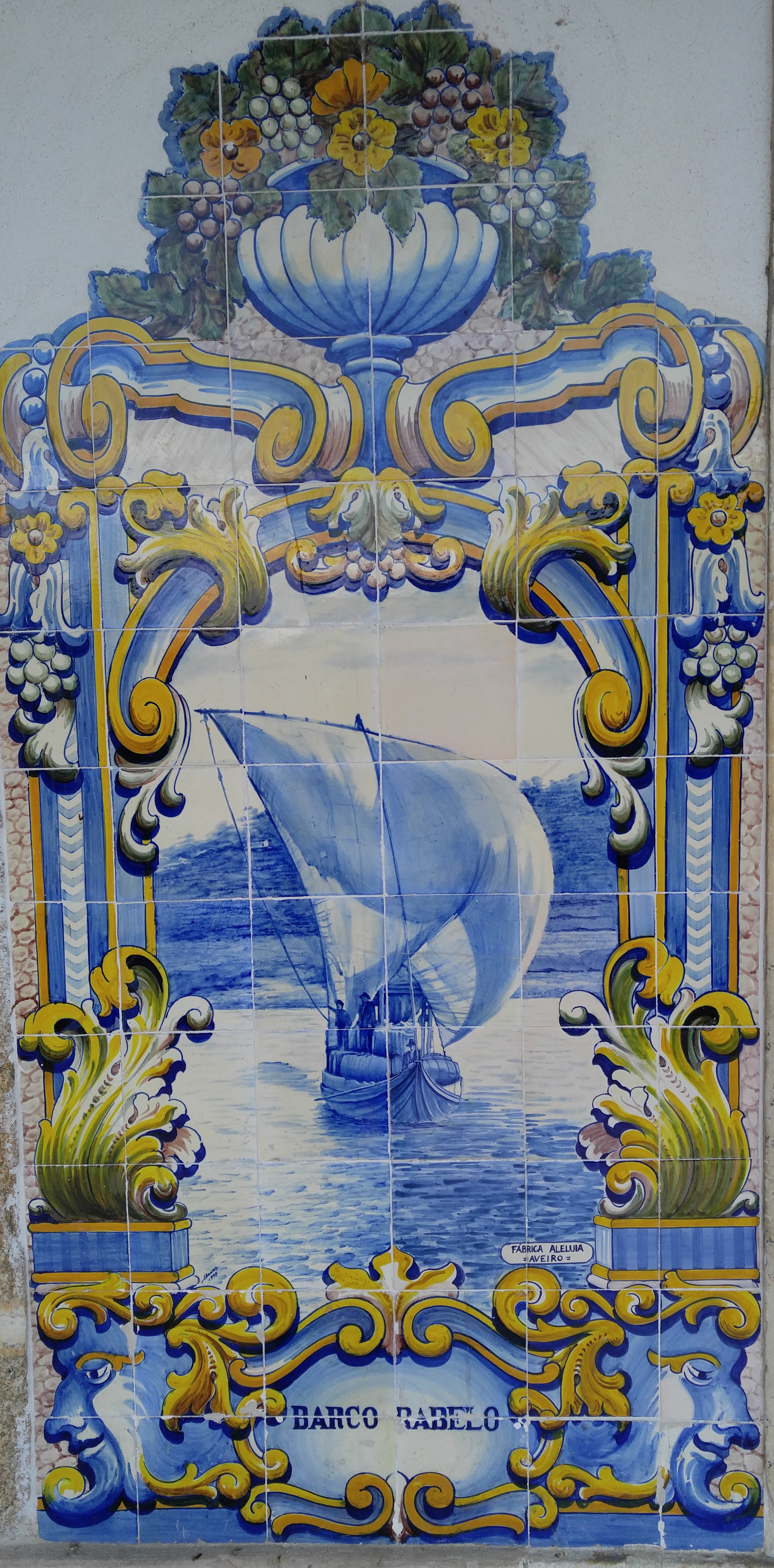
Porto, located farther south on Portugal’s Atlantic coastline and fed by the Douro River, provided the next stop. Wines came in from the Douro Valley, traveling downriver on barcos rabelos, the traditional regional boats.
As scenic as this may sound, the Douro was no joy ride. As Simon J. Woolf and Ryan Opaz describe in Foot Trodden: Portugal and the Wines That Time Forgot (2021), the river often swelled into raging torrents before it was dammed in 1971.
“Two centuries ago, the plucky souls who navigated the barcos rabelos,” they write, “were lucky if they completed the journey with cargo and crew intact.”
The flat-bottomed barcos rabelos were specifically designed to handle the Douro’s rapids. With crews of 12, the boats could carry up to 100 casks of Port.
Wines that reached Porto, or more accurately, reached Vila Nova de Gaia, the city across the river from Porto that became the main shipping hub, needed to be fortified ahead of their sea journey.
In winemaking parlance, this meant spiking the wine with brandy to prevent spoilage.
Over time, the brandy addition became more refined. It was done at the winery before the wine had finished fermenting.
The result: a high-octane wine, boosted by the extra alcohol from the brandy, as well as a sweeter taste. By adding the alcohol from the brandy earlier in the process, it also stopped the yeasts from continuing to ferment wine, leaving behind natural residual sugar.
Et violà, as the French would have said. A sweet, fortified wine.
The Economics and Politics of Port
In Foot Trodden, Woolf and Opaz estimate that the style of Port that would be recognizable to modern drinkers had evolved by the early 1800s.
Even before reaching this now-trademark style, Port had become a popular global commodity.
Woolf and Opaz describe the circumstances leading up to Pombal’s creation of Port’s demarcated area in 1756.
In general, demarcation is an effort to protect quality standards and maintain higher prices. Pombal was motivated on both fronts.
He wanted to preserve the elite brand status of a top export and burnish Port’s prestige as uniquely Portuguese. He also wanted to keep more of its profits within the country.
On the preservation of quality, parts of Pombal’s edict were Draconian.
Elderberry juice, for example, had become a common additive to mask defects in the grapes and add color to the wine. Pombal’s orders banned the practice and required every elderberry tree within roughly 15 miles of the Douro River to be uprooted and destroyed.
Neighboring wine regions, Bairrada and Minho, seen as adulterating Port blends with their grapes, had their vineyards wiped out.
Pombal was equally aggressive in taking aim at the primarily British-owned shipping houses.
As Woolf and Opaz write, “He wanted to regain control of what had by the mid 18th century become a kind of British cartel and one that was desperately unpopular with the Portuguese.”
The model that had made Port lucrative was to keep a small number of shippers, who bottled and exported the wine out of storage houses near Porto, and to have a large number of mostly small growers or grower/winemakers who did not sell directly to the market.
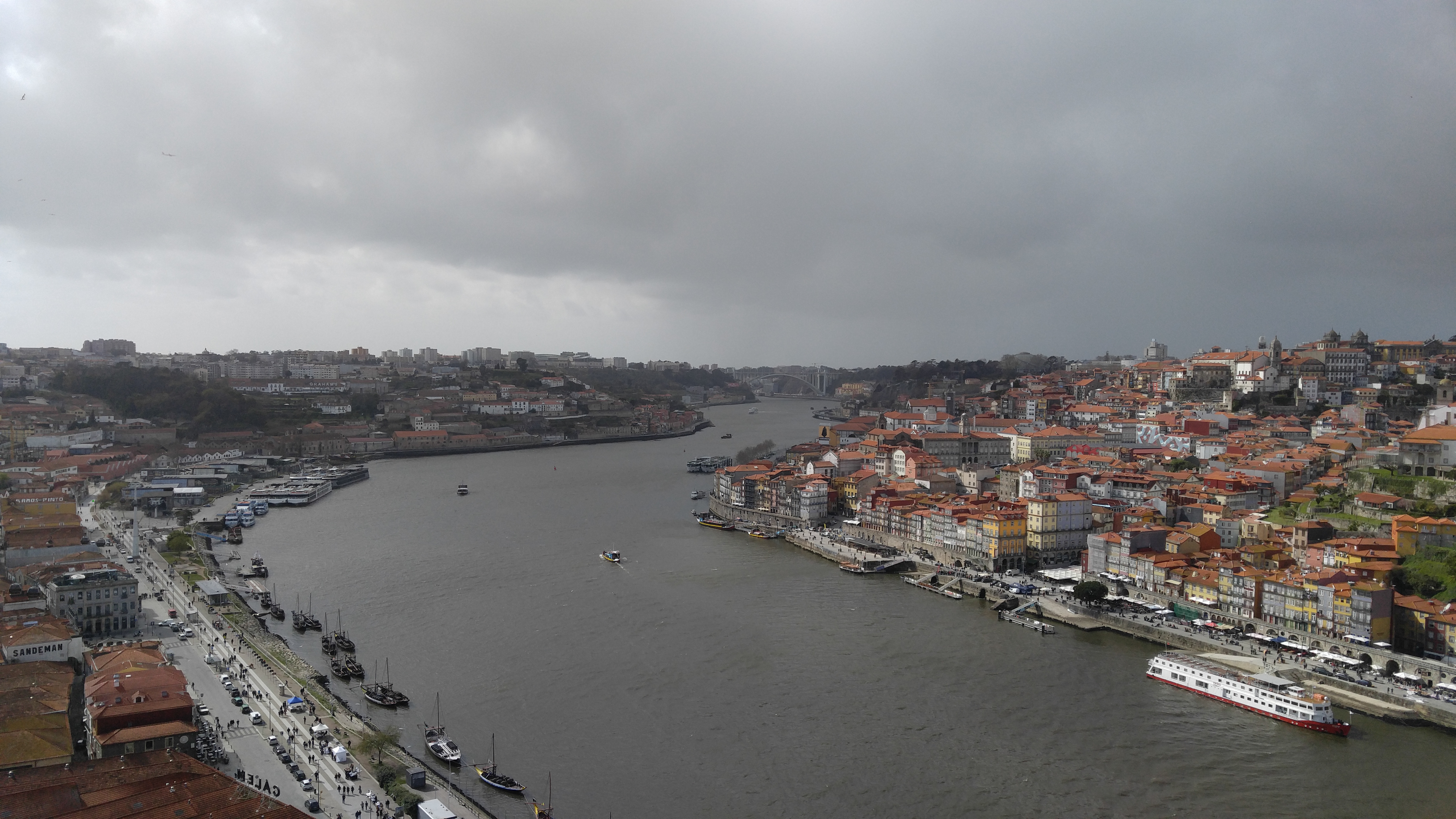
As the British ran the shipping houses, they were effectively able to dictate prices to the Douro growers and grower/winemakers. They pocketed virtually all the profits.
Pombal’s demarcation of 1756 enshrined this model into law, but with a twist.
Profits would be split between the British shippers and the Portuguese government via the newly formed Companhia Geral da Agricultura dos Vinhos do Alto Douro (Douro Wine Company).
Shippers now had to buy their stock of Port from the Douro Wine Company. Price fixing was still in, but it was now effectively set by the Portuguese government instead of the shippers.
This redistribution of Port’s profits to benefit Portugal did not extend to a larger share for Douro’s growers and winemakers, Woolf and Opaz note.
In 1761, the Douro Wine Company was granted further power over Port production and regulation when it was granted a monopoly over the supply of aguardente, the brandy used to fortify Port.
Woolf and Opaz cite the height of the Port trade as the early 20th century, when there were 81 Port shippers in Vila Nova de Gaia, the city across the river from Porto.
In 1908, prime minister João Franco ruled that Port could only be exported from Vila Nova de Gaia, further restricting who could distribute and market Port.
Beginning with Pombal’s original edict, the efforts to promote Port led to a stark contrast in investment within the country’s wine regions and were often carried out at the expense of other regions.
As Karen MacNeil describes Portugal in The Wine Bible (2001), the country became a tale of two wines. There was Port, and there was everything else.
That narrative would continue to be enforced by most of the policies through the early- and mid-20th century.
The 20th Century: New State (Old Challenges)
Additional regulations came about in the first half of the 20th century as António de Oliveira Salazar rose to power in 1933 and whose Estado Novo (new state) encompassed Portugal’s wine industry.
One of Salazar’s first official acts in 1933 was to create three new governing bodies around the making and distribution of Port.
The Instituto do Vinho do Porto (IVP) oversaw production, the Casa do Douro managed vineyard holdings, and the Grémio dos Exportadores de Vinho do Porto (Exporter’s Guild) required membership from all shippers.
Salazar, described by Woolf and Opaz as rivalling Pombal “in terms of his absolute and dictatorial rule,” honed his economic policies around stimulating growth via major corporations and exports as ways to keep the government’s coffers full. He was also anti-liberalism, anti-modernism, and anti-development.
Established and profitable (from the government’s standpoint) models like those surrounding the historic Port trade fit right in with Salazar’s vision, Woolf and Opaz conclude. Shippers, they note, “had a free hand to continue doing business much as they always had.”
Just as Pombal had moved aggressively against wine regions seen as diluting Port’s prestige, Salazar’s government reacted quickly to regions seen as inefficient or inconsistent in their production quality.
Overproduction had become a problem in the 1930s. In 1947, the benefício, a complex classification of all vineyards based on their potential to produce Port, was created as a remedy.
Alongside a grading system meant to indicate the quality of a vineyard’s conditions for yielding top-notch grapes, the benefício introduced licensing that grants a certain volume of Port production. The license is still in effect and needs to be renewed each year.
One outcome of the benefício was it created a glut of low-quality Douro table wines that were made with the rejected grapes not used for Port.
This also became the era of state-owned cooperatives. “Again, there was a clear separation between the farming or labouring class (vine growers) and captains of industry who bottled and commercialised wine,” Woolf and Opaz write.
Big houses did well during this period, and brands like Mateus Rosé, known more for their affordability and availability than finesse, were born.
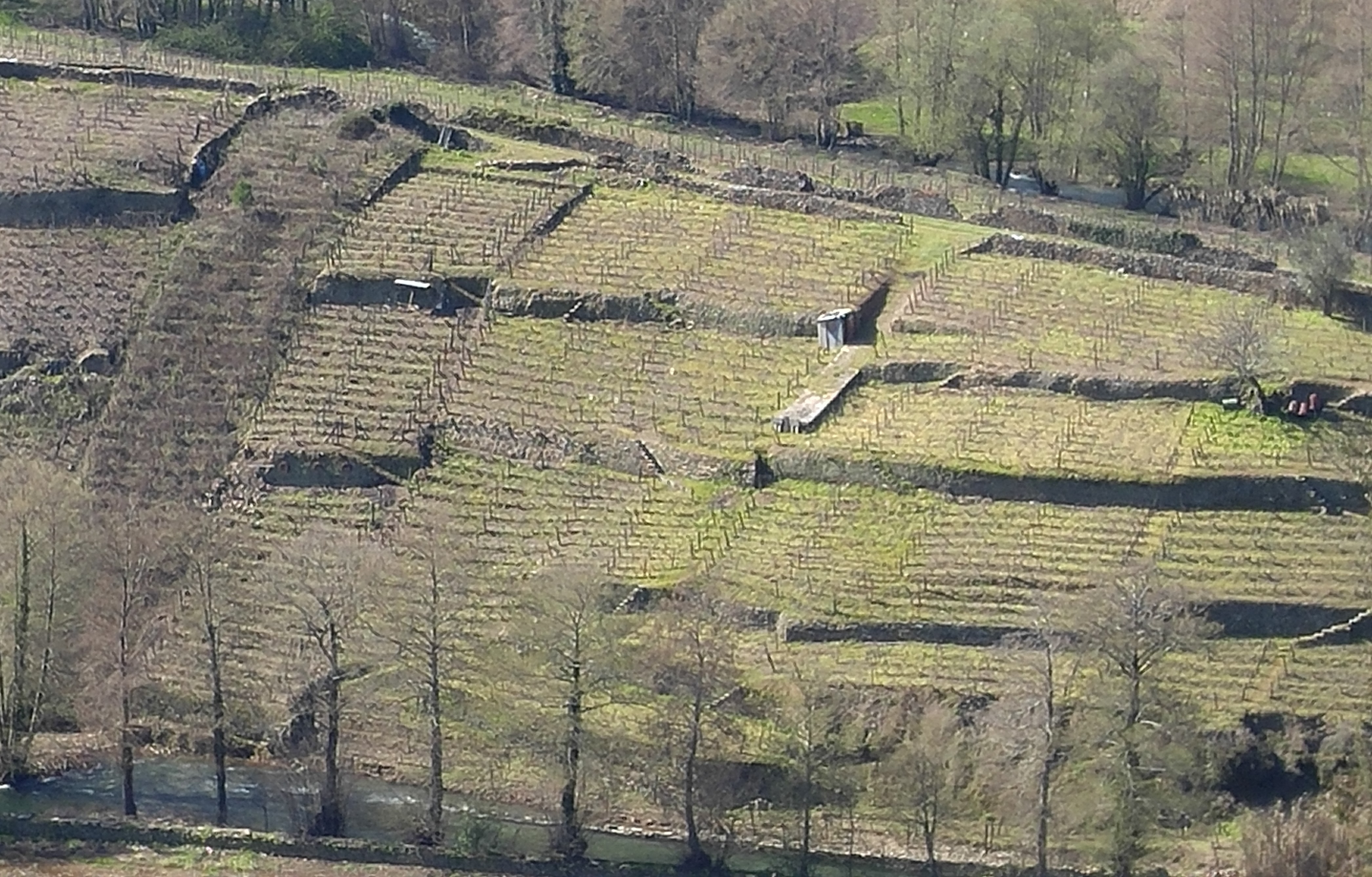
Within the timeline of the Alves de Sousa family, it is against this early 20th century landscape that Tiago’s grandfather and great-grandfather, Edmundo and Domingos, would have been growers.
A glimmer of better days ahead for quality table wines from the Douro came in 1952 with the release of Barca-Velha, a wine by Fernando Nicolau de Almeida, the technical director at the Port house Ferreira.
In Foot Trodden, Woolf and Opaz recount how de Almeida returned to Portugal inspired by a trip to Bordeaux. He found success with crafting a table wine by abandoning the principles behind making good Port.
De Almeida used grapes from Quinta do Vale Meão because its high-altitude location grew fruit with natural freshness and acidity.
In place of the traditional foot treading, which is a long extraction process to get the grapes’ juice, de Almeida opted for a gentler practice. The juice then had less time in contact with the grape skins, which contain tannins that can lead to an aggressive or mouth-drying taste.
Few winemakers followed de Almeida. Throughout the 1970s and 1980s, table wines continued to be an afterthought, Woolf and Opaz note. The pursuit of high-quality Douro wines gained traction in the 1990s, they add.
It’s during this shift into the modern era that Tiago’s father, Domingos, returned to the family vineyard.
New Era at Alves de Sousa
Domingos started by continuing the family tradition of growing grapes for making Port. His buyers included Casa Ferreirinha, the house where Fernando Nicolau de Almeida had experimented with producing high-quality table wine in crafting Barca-Velha.
Domingos also sold to big players like the Sociedade dos Vinhos Borges, established in 1884 by the brothers António and Francisco Borges.
As Domingos found his way working the family vineyards, Portugal was once again evolving politically.
Salazar’s rule, which ended in 1968 after he suffered what was then an undiagnosed stroke, was followed by the collapse of the Estado Novo in 1974 with the Carnation Revolution.
The country leaned toward communism. Banks, the press, and much of the farming industry in the country’s south were nationalized. There were efforts by the government to nationalize the Port industry as well.
Mário Soares, who had been exiled during the Salazar years, was the leader of the Socialist Party in 1974. He successfully pressed for democratic elections in 1975, leading to Portugal’s first free election since 1932.
Soares won the election. He is credited with stabilizing the country and avoiding the nationalization of the Port industry, Woolf and Opaz write.
By the 1980s, Portugal peeled back from communism. The government started to redistribute seized property back to its original owners.
Portugal joined the European Union in 1986, a move that would open channels for new investments and development in the country’s vineyards.
For Domingos, the late 1980s forced a reexamination. The 1988 harvest had been poor, and a global recession from earlier in the decade was still being felt in the Douro with increased labor costs.
Domingos questioned the profitability of his farms as selling wine to larger Port houses. He considered a change to producing table wine, still largely viewed as the “leftovers” to making Port.
Just as de Almeida realized that the cornerstones for making great Port didn’t lend themselves to quality table wine, Domingos retrained himself to pursue this new direction as a producer-bottler. He took courses in viticulture and oenology and restructured the vineyards.
In 1992, Domingos released his first wine, a white made from grapes from the Quinta do Vale da Raposa. He became one of the first to producer DOC wines under his own brand.
Soon after, Alves de Sousa wines were gaining attention. The 1995 Quinta da Gaivosa received high acclaim, encouraging Domingos only to produce wines from that vineyard in excellent years.
Quinta da Gaivosa is at the heart of Alves de Sousa wines. It is the family’s oldest estate and houses the winery and company headquarters.
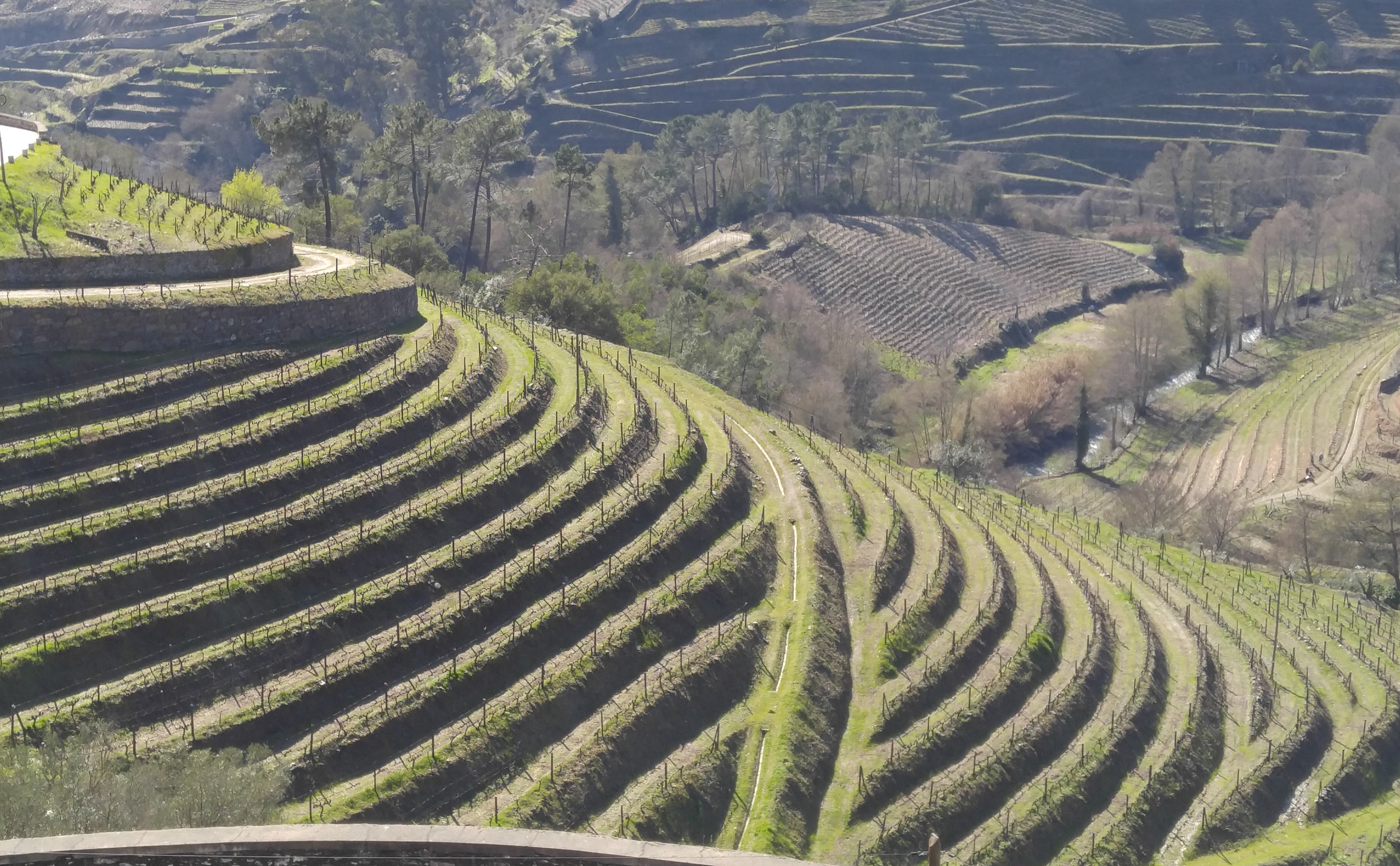
In addition to Quinta da Gaivosa, the family grows grapes from five other vineyards, spread over approximately 130 hectares, and only makes wine from the family land.
This combination of grower-producer remains rare in the Douro. In 2021, there were 21,000 growers in the valley, with less than 500 also vinifying or bottling wine.
The continued dedication of the Alves de Sousa family has not gone unnoticed.
Alves de Sousa wines have received more than 500 medals in international competitions in 15 countries. More than 150 have been gold. In 2023, Domingos received a Lifetime Achievement Award from the Portuguese wine magazine Revista de Vinhos. The magazine previously named Domingos Producer of the Year, in 1999 and again in 2006, making him the first to earn the distinction twice.
Tiago is meeting this family legacy and adding to it. He has won his own awards and distinctions, including honors in earning his PhD in viticulture in 2011 at the Universidade de Trás-os-Montes e Alto Douro. He was named a top 100 master winemakers in 2024 by The Drinks Business.
Within the family’s wine portfolio, Tiago first made his mark with the release of Abandonado 2004. He has also resumed the family tradition of making Port.
In addition to the 20-year-old tawny Port with wines of three generations of makers, Tiago has crafted vintage Ports.
Within the different styles of Port, an aged tawny Port is made by blending Ports from several years left in the barrel. The age on the label – typically 10, 20, 30, or more – refers to the average age of the wines by flavor.
This means that Tiago’s 20-year-old tawny tasted – to an experienced taster – like it was made of wines that are each about 20 years old.
The wines used for aged tawny Ports are of the highest quality. They are often used for vintage Port, the rarest style and only 2 to 3 percent of total Port production.
Vintage Port is only made in very good years when Port shippers declare a vintage. All the grapes come from only that year and from the top vineyards in the best parts of the Douro. They age for two years in the barrel and then for a long time in the bottle. A decade is standard.
There’s standard. Then there’s the exceptional story of the Alves de Sousa family.

